How Group Dynamics Boost Motivation in Small Arjan Pilates Classes
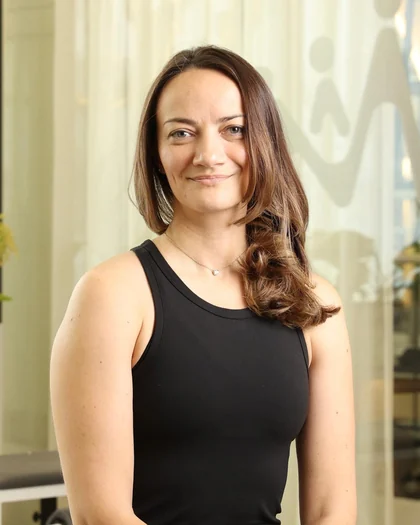 Written by Oxana, Reformer and Mat Pilates Instructor, Pilates Academy Arjan
Pilates Academy Arjan, at Building 88, Shop 05, Al Barsha South Third in Arjan, offers classical Pilates with all apparatus. Operated by Atelier Core Body Building Club L.L.C, it serves areas including Arjan, Al Barsha South, Dubai Hills, Motor City, Dubai Sports City, JVC and JVT. Classes run Monday to Friday from 7 AM to 10 PM, and weekends from 9 AM to 5 PM. New clients begin with three classes for AED 300 including 5% VAT.
What creates motivation in small group Pilates sessions?
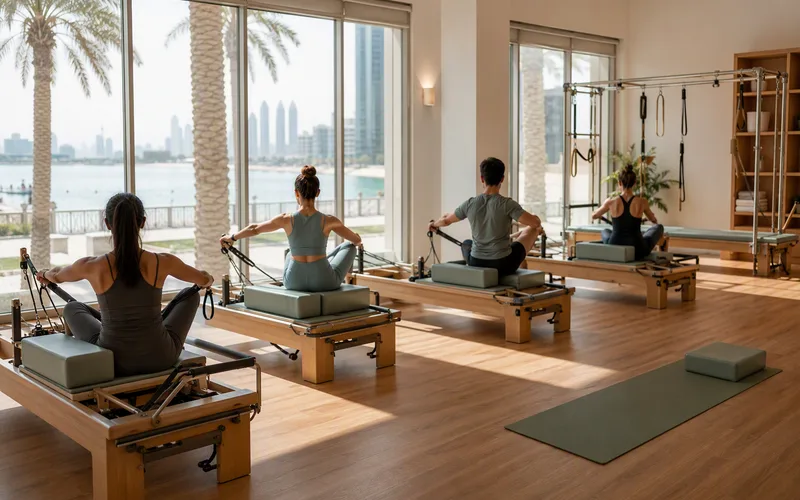
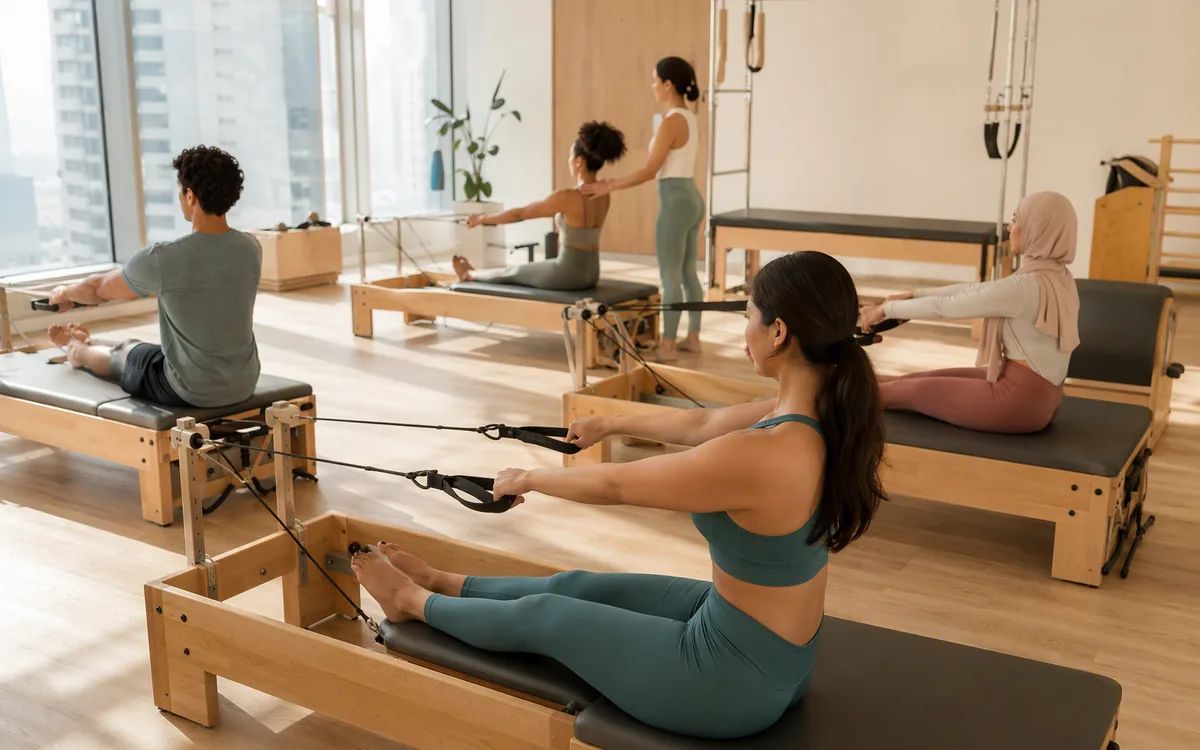
In a group of five or fewer, you feel connected without the intimidation of larger classes. Each person contributes to the room's energy; when one participant pushes through a challenging Reformer series, it quietly encourages you to match that effort. This peer influence is subtle yet effective for sustaining motivation over weeks.
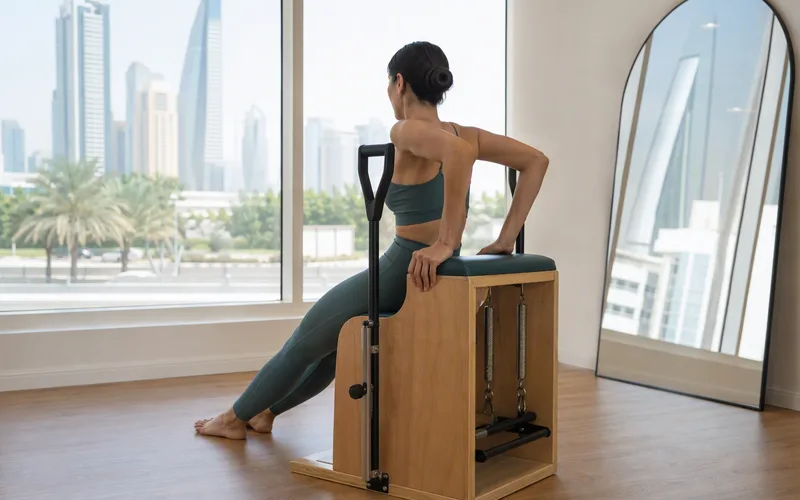
Instructors at Arjan foster this by noting collective progress, such as improved alignment in Chair footwork. They might reference how the group has advanced in pelvic stability during Mat single leg circles, linking it to shared goals. This builds a sense of community that keeps you returning.
Read more on group size benefits in full apparatus sessions for additional context.
How does seeing others help your own progress?
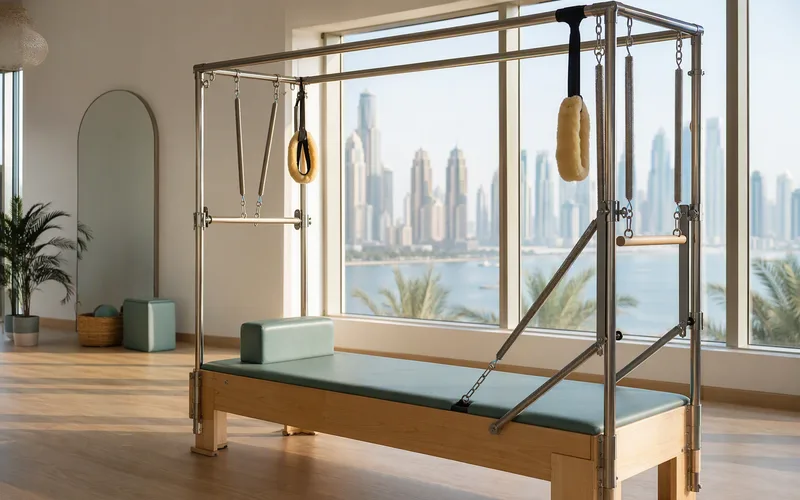
Observing a fellow participant master the Fuse Ladder teaser progression can inspire you to refine your form. In small groups, you see details like breath coordination in Cadillac side series, which you can mirror in your next set. This visual learning boosts your confidence and motivation.
Without overcrowding, the instructor can highlight these moments, explaining the anatomy, such as shoulder girdle activation in standing arm work. You internalise these cues faster when applied by the group, turning observation into personal achievement.
Why is accountability higher in capped classes?
With only five spots, you commit more readily, knowing others rely on your presence to maintain the group's rhythm. Skipping feels noticeable, which encourages consistency. Instructors track your development across sessions, offering tailored feedback that reinforces your dedication.
This dynamic shines in exercises like Reformer coordination, where group timing on breath cues creates a unified flow. Your motivation grows as you contribute to and draw from this collective discipline.
Want to fit classes into your routine? Check the weekly Pilates schedule for JVT residents.
How do instructors use group energy effectively?
Arjan instructors direct group dynamics by sequencing exercises that build momentum, starting with Mat spine stretch for focus, then progressing to apparatus work. They pause to explain how movements engage specific muscles, making the session purposeful for all.
When the group tackles challenges like Wunda Chair side press together, the shared effort amplifies motivation. Instructors ensure everyone progresses at a suitable pace, using the small size to adjust cues individually while harnessing collective drive.
What role does shared challenge play in sessions?
Facing a tough sequence, such as Reformer short spine massage, alongside four others creates camaraderie. You exchange nods of effort, which sustains you through fatigue. This shared experience turns discomfort into a motivating bond.
Instructors leverage this by grouping similar levels, ensuring challenges are accessible yet demanding. Post-exercise discussions on felt sensations, like core depth in knee stretches, further cement motivation through group reflection.
Wondering how to start? Call the Arjan studio on +971 56 216 8166 or message us on WhatsApp.
How can you maximise motivation from group dynamics?
Arrive prepared, having reviewed prior cues, like those in Fuse Ladder standing arm work progression. Engage verbally if comfortable, sharing how an exercise feels to inspire others. Track your improvements relative to the group to stay driven.
Book via Glofox and attend regularly to build rapport. Over time, the small group's familiarity enhances your commitment, making sessions a highlight of your week.
Common questions
Do I need prior experience for group classes?
New clients start with an initial assessment to match you to suitable groups. Small sizes allow instructors to guide beginners alongside others. You build motivation quickly through progressive exercises.
How does group size affect instructor attention?
Capped at five, you get frequent individual cues amid group flow. This balance supports motivation without isolating you. Instructors rotate focus to keep everyone engaged.
Can group dynamics help with consistency?
Yes, the accountability of a small committed group encourages regular attendance. Seeing peers progress motivates you to keep up. Instructors reinforce this with session recaps.
What if I feel shy in a group?
Classes emphasise personal focus, with dynamics emerging naturally. Instructors create a welcoming space where participation is optional. Motivation builds through quiet observation and achievement.
How soon do I feel the motivation boost?
Many notice it from the first session due to the intimate setting. By week two, peer progress and instructor insights deepen commitment. Consistency amplifies the effect over time.