How Instructor Anatomy Explanations Help Arjan Chair Classes
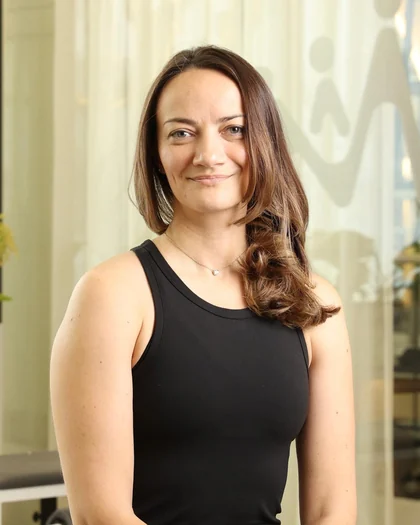 Written by Oxana, Reformer and Mat Pilates Instructor, Pilates Academy Arjan
Pilates Academy Arjan offers full apparatus classical Pilates, including the Chair, in a small group setting. Unlike reformer only studios nearby, this setup lets you experience varied equipment with anatomical guidance. The studio serves areas like Arjan, Al Barsha South, Dubai Hills, Motor City, Dubai Sports City, JVC and JVT.
Wondering how to start? Call the Arjan studio on +971 56 216 8166 or message us on WhatsApp.
What is the Wunda Chair used for in these classes?
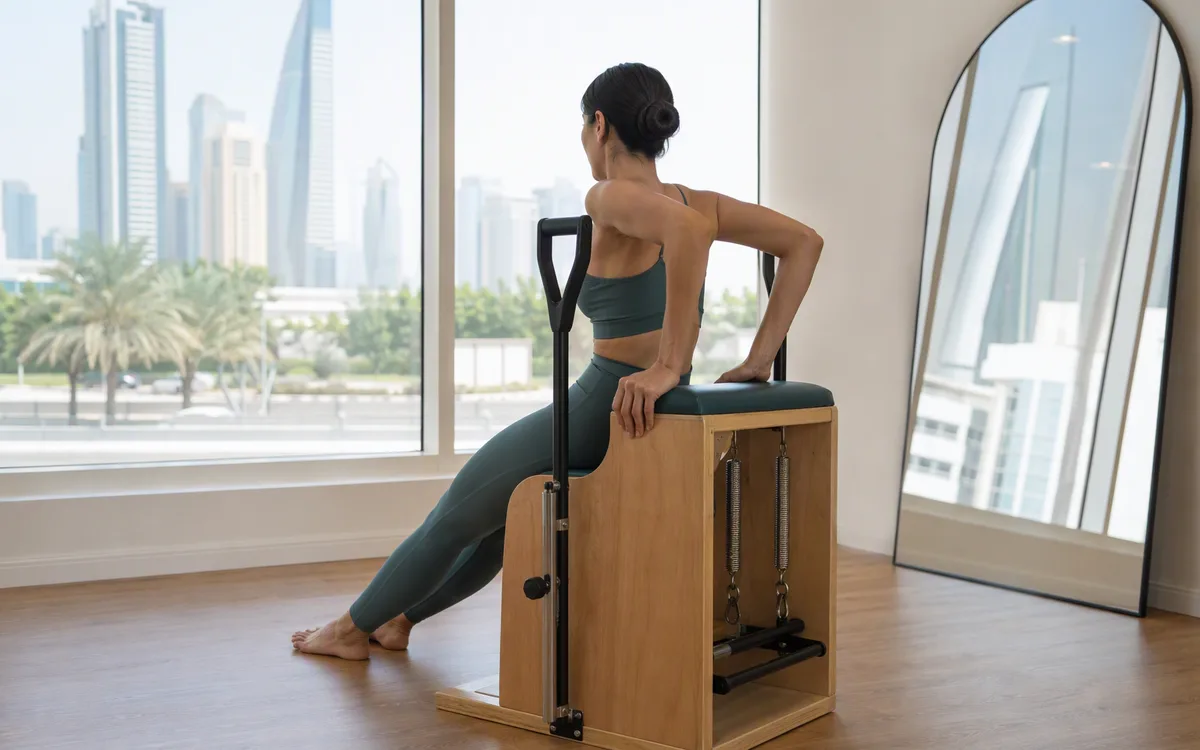
The Wunda Chair is a compact apparatus with a padded seat, foot bar and springs for resistance. You sit or stand on it for exercises that build strength and stability. Instructors use it to target your core, legs and arms through controlled movements.
During classes, you perform footwork series on the pedal, pressing against spring tension. This works your calves, hamstrings and glutes while keeping your pelvis neutral. Instructors explain how the Achilles tendon lengthens and shortens, helping you feel the action in your lower legs.
How does it differ from a reformer?
The Chair requires more upright posture than the reformer, which supports your back. You balance without as much apparatus assistance, engaging your stabilisers more. For details on reformer work, see our guide on Wunda Chair side press progression.
Why do instructors explain anatomy during Chair sessions?
Anatomy explanations connect the exercise to your body's structure. Your instructor might point out how the rotator cuff muscles in your shoulders keep your arms stable during push downs. This knowledge helps you avoid strain and move efficiently.
In small groups of up to five, there is time for these insights. You learn about the sacroiliac joint's role in maintaining pelvic stability during side splits. Understanding this lets you adjust your form on the spot.
These explanations build your body awareness over sessions. You start to sense when your psoas muscle overworks and correct it yourself. This approach sets Arjan classes apart from those without such guidance.
How does anatomy guidance improve your push down form?
In the push down series, you extend your legs while pressing down on handles. Instructors explain how your latissimus dorsi and triceps contract to control the movement. They note the scapula's position to prevent shrugging.
Key joint actions to focus on
Your hip joints flex and extend as your knees straighten. The ankle dorsiflexes against the foot bar. Hearing about the tibialis anterior muscle helps you activate it properly for alignment.
This guidance ensures even effort across muscle groups. You avoid overloading your quads by engaging your hamstrings too. Practice leads to smoother transitions between reps.
What role does breath play in Chair teaser with anatomy cues?
The Chair teaser builds from a seated tuck, lifting your legs and torso. Instructors describe how your rectus abdominis and obliques flex your trunk. They cue your breath to support the spinal flexion.
Exhale as you lift to engage your transverse abdominis, the deep core stabiliser. This wraps around your midsection like a corset. Understanding this helps you initiate from the core, not momentum.
For similar core work, read about Chair teaser tuck progression. These cues make the exercise accessible yet challenging.
How do explanations help with side splits on the Chair?
Side splits open your hips laterally while one foot presses the pedal. Instructors explain the abductors like gluteus medius that control the movement. This prevents your pelvis from tilting.
You learn how the iliotibial band lengthens on the working side. Cues focus on keeping your standing leg's knee aligned over the foot. This builds lateral stability safely.
Progressing with resistance
Springs add challenge as you advance. Anatomy details show how your adductors counterbalance the pull. Consistent practice strengthens these muscles evenly. See related Chair side splits in our progression article.
Which muscles get targeted in foot bar series?
The foot bar series works your lower body comprehensively. Instructors highlight the gastrocnemius for heel lowers and soleus for presses. You feel how these calf muscles share the load.
Quadriceps extend your knees, while hamstrings flex them in variations. Core engagement keeps your spine neutral throughout. These explanations clarify why form matters for balanced development.
Sessions from 7 AM to 10 PM weekdays help fit this into your day. New clients try three classes for AED 300 including VAT via Glofox.
Common questions
Do I need prior Pilates experience for Chair classes?
No prior experience is required. Instructors start with basics and scale explanations to your level. Small groups allow personal adjustments during the session.
How long are Arjan Chair classes?
Classes last 55 minutes, fitting opening hours from 7 AM to 10 PM on weekdays. This leaves time for anatomy discussions without rushing. Book through Glofox for your slot.
Can beginners handle the Chair apparatus?
Yes, beginners start with lighter springs and seated exercises. Anatomy cues build your confidence quickly. Prepare as in our guide on what to wear and bring.
Are Chair classes suitable after other apparatus sessions?
They complement reformer or Cadillac work well. Use insights from Chair to refine form elsewhere. Schedule around your routine, like timing for Dubai Hills.
What if I miss an anatomy explanation?
Ask during or after class; small groups make this easy. Repeated attendance reinforces the details. This builds lasting understanding.