Mat Single Leg Circles: Pelvic Stability Technique for Leg Mobility
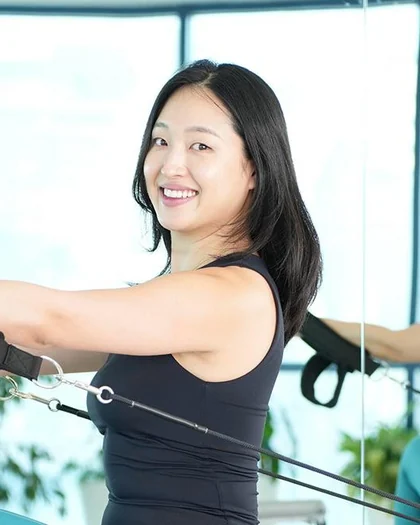 Written by Eun Sol, Pilates Instructor, Prenatal Pilates Certified, Pilates Academy Arjan
Pilates Academy Arjan offers full-apparatus classical Pilates in small groups of up to five. Unlike reformer-only studios nearby, you access Matwork alongside equipment like the Cadillac and Chair. Instructors teach the anatomical principles behind each movement. New clients receive three classes for AED 300 including 5% VAT. The studio serves areas including Arjan, Al Barsha South, Dubai Hills, Motor City, Dubai Sports City, JVC and JVT.
What is Mat Single Leg Circles?
This foundational Matwork exercise appears early in the classical Pilates sequence. You perform it to introduce pelvic stability before progressing to more dynamic moves. The focus remains on isolating the leg from the centre, preventing any rocking or shifting in the hips or lower back.
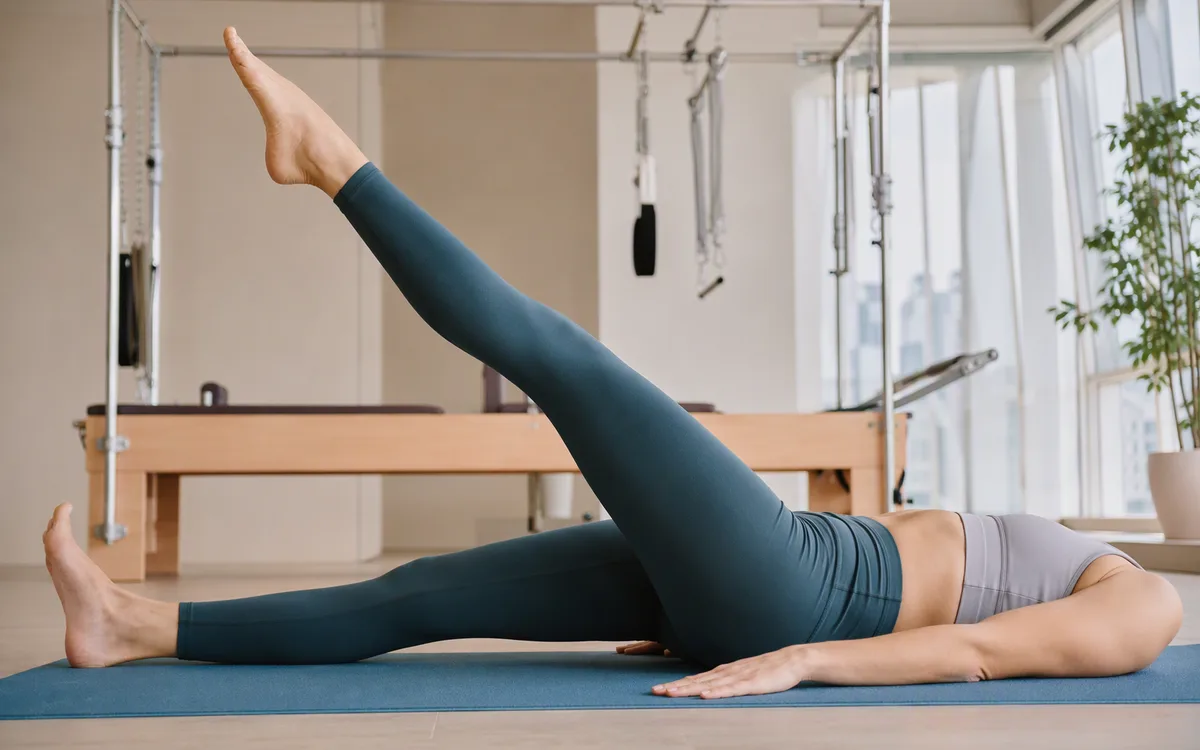
Lie on your mat with your head resting comfortably and arms long by your sides. Extend both legs to the ceiling with feet flexed or pointed, depending on your cue. Lower one leg to a 45-degree angle while circling it around in a controlled path. Return to centre after five circles each direction, then switch legs. Repeat for three sets.
In group classes at Pilates Academy Arjan, capped at five people, you receive individual feedback. This ensures you grasp the pelvic anchoring essential for the full method. For similar foundational work, see our guide on Mat Teaser Preparation: Building Control Before Full Expression.
How do you position yourself correctly?
Begin supine with the spine in neutral alignment. Imprint the lower back lightly if needed, but avoid flattening it completely. Place palms down with fingers long to stabilise the shoulders. Engage your abdominals by drawing the navel towards the spine without tilting the pelvis.
Leg and foot setup
Extend both legs skywards with knees straight but not locked. Flex the feet or point the toes as instructed. The working leg starts at 90 degrees before descending to initiate the circle. Keep the non-working leg steady and perpendicular to the floor.
Head and neck alignment
Gaze at the ceiling with the neck long. Avoid tensing the jaw or lifting the head prematurely. As control improves, you integrate head movement in variations, but beginners keep it grounded.
Precise setup prevents compensation.
Ready to try it? Call the Arjan studio on +971 56 216 8166 or message us on WhatsApp.
What are the key cues for pelvic stability?
Anchor the pelvis to the mat throughout. Imagine the sitting bones pressing evenly into the floor. If the pelvis rocks, reduce the circle size or leg height. Inhale to prepare and exhale on the challenging side of the circle.
Direct the movement from the hip socket, not the knee. Lengthen the leg fully without gripping the glutes excessively. Instructors at Pilates Academy Arjan emphasise this to build awareness of the lumbo-pelvic region.
Common errors include lifting the opposite hip or shortening the waist. Counter this by visualising a glass of water balanced on your pelvis. Steady breath reinforces the stability, linking to cues in Reformer Hundred Preparation.
How does it improve leg mobility?
The circling motion articulates the hip joint through its full range. You gain control over internal and external rotation while extending the leg. Over time, this enhances flexibility without strain.
Strengthen the hip flexors, abductors and rotators dynamically. The controlled path challenges stability muscles, supporting fluid leg movement in daily activities or other exercises. Practice reveals imbalances between sides.
In small Arjan classes, you refine this for better progression to apparatus work like Cadillac Pedal Circles. Sessions run Monday to Friday 7 AM to 10 PM, weekends 9 AM to 5 PM.
What breathing pattern supports the movement?
Coordinate breath with the circle. Inhale as the leg passes the front midline, exhale crossing the back. This rhythmic flow stabilises the core and prevents breath-holding.
Keep inhalations deep into the sides of the ribcage. Exhalations engage the transverse abdominis for pelvic control. Beginners count breaths aloud to sync with the circle.
Breath links all Pilates exercises. For more, explore Breath Coordination During Reformer Transitions.
What are common mistakes to avoid?
Avoid swinging the leg with momentum. Make circles deliberate and small if needed. Do not allow the pelvis to tilt; this compromises the stability goal.
Shoulder and neck tension
Keep shoulders away from ears. Press arms into the mat to ground the upper body. Neck strain often signals weak core engagement.
Over-arching the back
Maintain neutral spine. If the lower back lifts, bend the supporting knee or reduce range. Build gradually.
Watch for these in mirrors during class. Instructors correct form real-time in our five-person groups.
How do you progress the exercise?
Once stable, enlarge the circle or point the foot for resistance. Add a head lift to challenge the centre further. Advance to both legs circling oppositely for coordination.
Integrate into sequences with twists like Matwork Criss Cross. Time it within your routine, perhaps before morning sessions from Dubai Sports City.
Track progress over your three introductory classes. Book via Glofox at arjan@pilatesacademydubai.com.
Common questions
Can beginners do Single Leg Circles?
Yes, with modifications. Start with bent knees or smaller circles. Focus on pelvic stillness over range. Instructors guide you at Arjan to build safely.
How many repetitions per side?
Aim for five circles each direction, three sets. Adjust based on control. Quality trumps quantity in classical Pilates.
Does it help with hip tightness?
It promotes hip mobility through controlled rotation. Regular practice improves joint awareness and flexibility. Combine with mat stretches.
Is it safe during pregnancy?
Modify supine position after first trimester. Consult your instructor for alternatives. Pilates adapts to stages.
How often should you practise?
Two to three times weekly in classes. Home practice reinforces, but group feedback accelerates improvement. Join Arjan sessions via Glofox.