Fuse Ladder Single Arm Press Form for Unilateral Shoulder Work
 Written by Oxana, Reformer and Mat Pilates Instructor, Pilates Academy Arjan
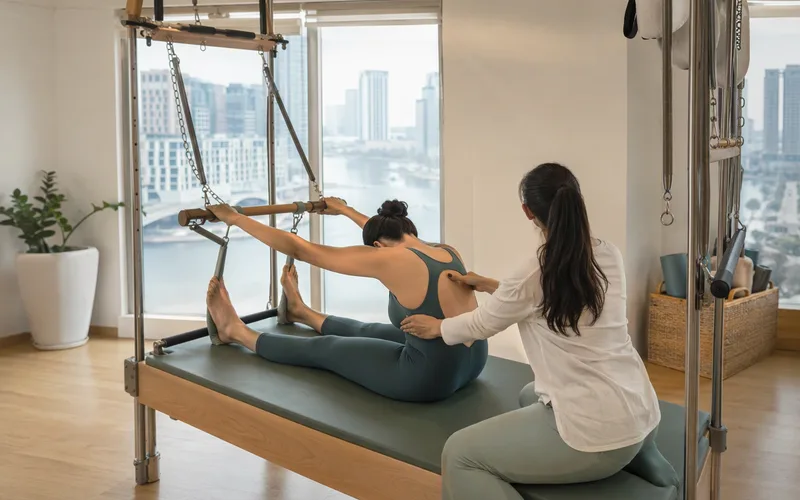
You perform the Fuse Ladder single arm press by positioning yourself on the ladder with one hand gripping the bar at shoulder height, elbow bent, while keeping your body aligned and core engaged. Press the bar upward in a controlled arc until your arm extends fully, then lower it slowly without losing shoulder blade control. This unilateral exercise targets one shoulder at a time, promoting balanced strength development. Practice it in the small group classes at Pilates Academy Arjan, where instructors teach the underlying anatomy.
Pilates Academy Arjan in Building 88, Shop 05, Al Barsha South Third, offers full classical apparatus including the Fuse Ladder. Unlike reformer-only studios nearby, classes here cap at five participants for individual attention. You book through Glofox, with new clients starting at three classes for AED 300 including 5% VAT.
What is the Fuse Ladder single arm press?
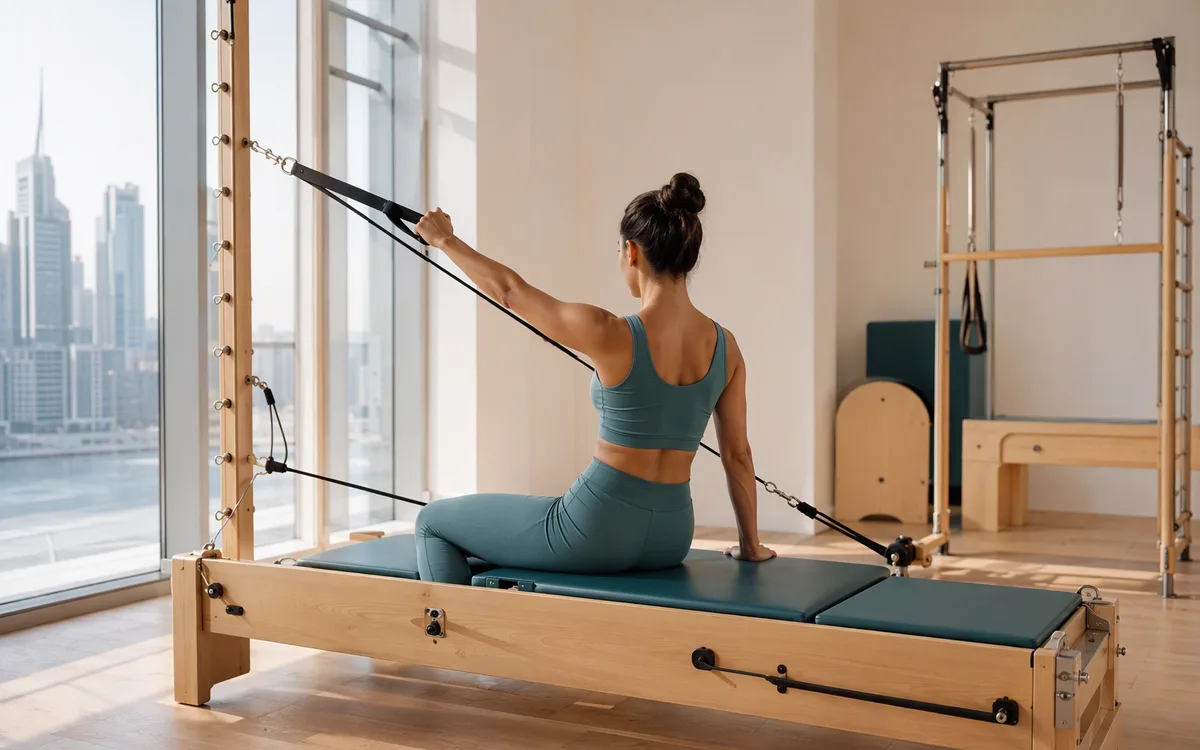
The single arm press on the Fuse Ladder involves pressing a bar overhead using one arm while the other stabilises your position. You stand or kneel facing the ladder, feet hip-width apart, with the working arm's hand on the bar at chest level. Your non-working hand rests on the ladder for support. This setup allows focus on unilateral shoulder work, building strength evenly across both sides.
In classical Pilates, the Fuse Ladder supports exercises that challenge stability and control. The single arm variation demands that you resist rotation, engaging your core and opposite shoulder girdle. Instructors at Arjan demonstrate how the deltoid, trapezius and rotator cuff muscles coordinate during the press.
Need advice on setup?
Ready to try it? Call the Arjan studio on +971 56 216 8166 or message us on WhatsApp.
How do you set up correctly on the Fuse Ladder?
Begin by selecting the appropriate spring tension, typically lighter for single arm work to allow control. Stand sideways to the ladder with your inside foot forward, knees soft. Place your pressing hand on the bar at sternum height, palm facing forward, elbow bent at 90 degrees. Align your shoulders level, gazing forward.
Foot and hand positioning
Your feet form a stable base, with weight evenly distributed. The support hand grips a rung at hip height to prevent leaning. Keep your rib cage stacked over your pelvis, avoiding forward head posture.
Exhale to initiate the press, inhaling to lower. Repeat 6 to 8 times per side before switching. This preparation mirrors Fuse Ladder arm series technique for shoulder endurance, advancing to unilateral focus.
What is the correct pressing movement?
From setup, press the bar upward by extending your elbow while rotating your shoulder blade downward and inward. The path traces a slight arc, finishing with the bar above your shoulder, bicep near ear. Maintain a neutral spine, engaging your abdominals to stabilise.
Lower the bar with control, resisting gravity to keep tension on the shoulder muscles. Avoid locking the elbow at the top or shrugging the shoulder. Breathe steadily: exhale on effort, inhale on return.
This movement strengthens the anterior and medial deltoids primarily, with secondary work in the triceps and serratus anterior. Practice builds the control needed for advanced variations.
How does it target unilateral shoulder strength?
Unilateral means working one side independently, countering common imbalances from daily activities or sports. The single arm press forces your core to counteract torque, enhancing overall stability. Your non-working side must remain active, preventing compensation.
Over time, this leads to even shoulder girdle development. In Arjan's capped classes, instructors cue adjustments to ensure symmetry. It complements bilateral work like Wunda Chair push-up progression for upper body strength.
Focus on quality over quantity to reap benefits in posture and movement efficiency.
What are common form mistakes to avoid?
A frequent error is arching the lower back, which shifts load away from the shoulder. Keep your pelvis neutral by drawing your navel inward. Another is flaring the elbow outward, straining the rotator cuff; keep it pointing back.
Shoulder and neck tension
Do not elevate the shoulder toward the ear; depress the scapula throughout. Tilting the torso compensates for weakness, so maintain plumb alignment. Rushing the eccentric phase reduces muscle engagement.
Check your form in a mirror or ask for feedback. Beginners may start with both hands for initial balance exercises on the Fuse Ladder.
How do you progress the single arm press?
Once form solidifies, increase repetitions to 10 to 12 or add a pause at the top. Advance by standing taller or closing your eyes for proprioception challenge. Lighter springs demand more control, building endurance.
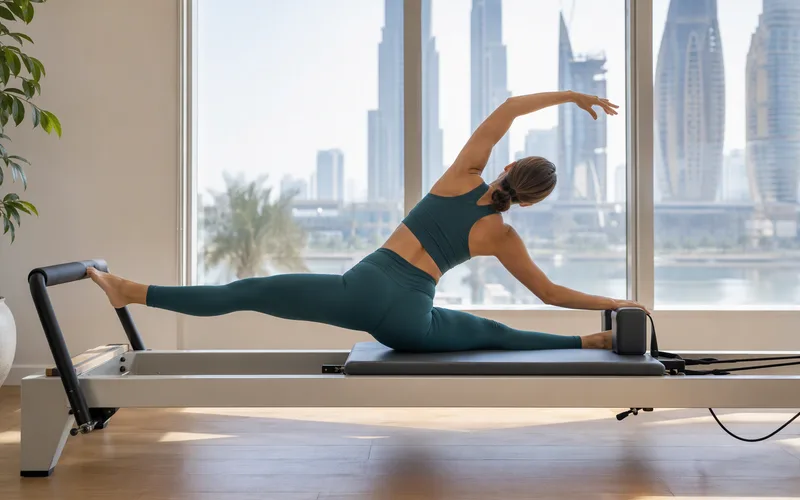
Integrate into sequences with Fuse Ladder Mermaid stretch for lateral flexibility. Track progress over weeks in group sessions.
Always warm up shoulders first to prepare joints and muscles.
When should you practise it at Arjan studio?
Schedule during Monday to Friday 7 AM to 10 PM or weekends 9 AM to 5 PM. Group classes include Fuse Ladder work, serving Arjan, Al Barsha South and nearby areas. Combine with matwork for comprehensive sessions.
Opening hours fit professionals from Dubai Hills or Motor City. Book via Glofox to secure a spot in the five-person cap.
Common questions
Is prior experience needed?
No prior Fuse Ladder experience is required, though basic Pilates principles help. Instructors guide beginners through modifications. Start with introductory classes to build foundation.
How often should you do unilateral presses?
Aim for 2 to 3 sessions weekly, alternating sides evenly. Allow recovery days between. Integrate into varied routines for balanced development.
Can it help with shoulder posture?
The exercise promotes scapular control, supporting even posture through strength. Consistent practice in classes aids alignment awareness. Focus on form for best results.
What if you feel pain during the press?
Stop immediately and inform the instructor. Adjust setup or reduce range. Pain differs from effort; prioritise safety in group settings.
How does it fit group classes?
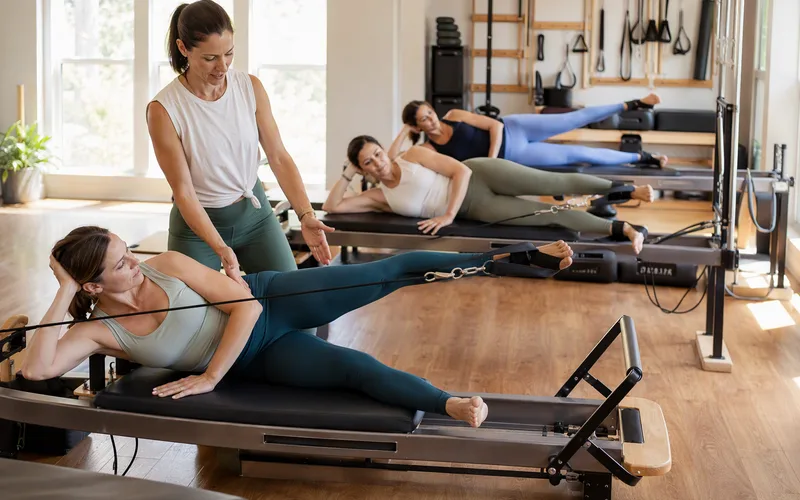
Instructors rotate apparatus access, providing cues for all levels. Small groups allow personalised feedback. See what to expect in group matwork classes at Pilates Academy Arjan for similar structure.