Chair Pedal Work: Foot Placement and Resistance Cues for Balanced Strength
 Written by Matt, Reformer and Mat Pilates Instructor, Pilates Academy Arjan
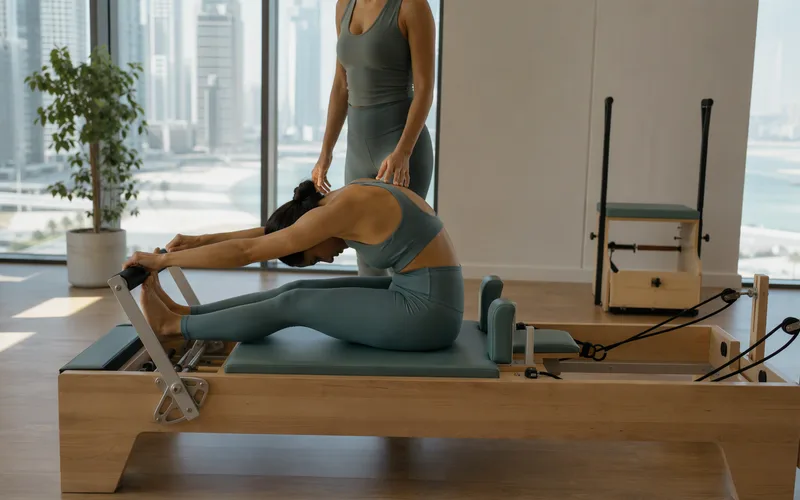
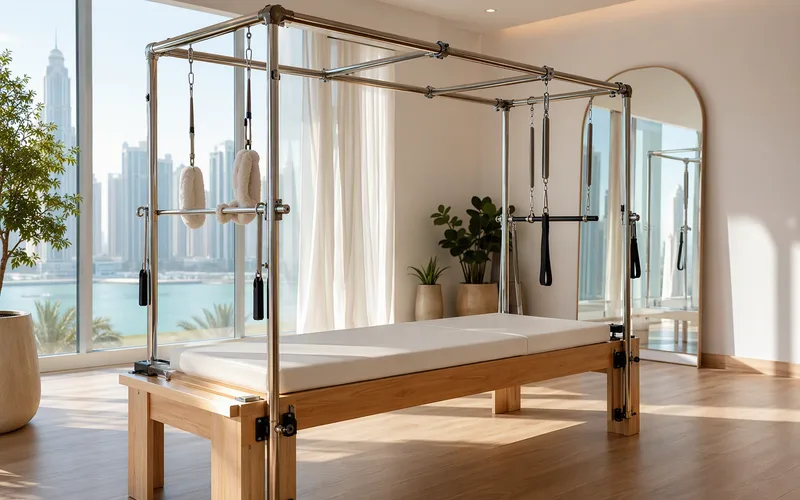
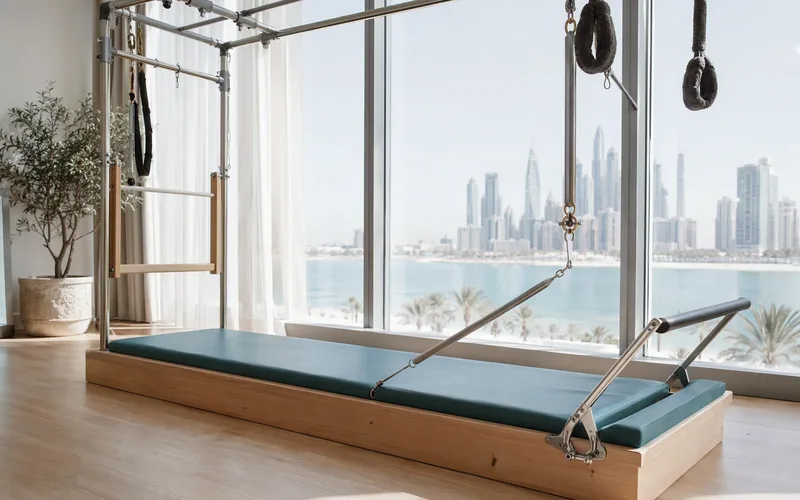
Pilates Academy Arjan in Al Barsha South Third offers full classical apparatus including the Wunda Chair. Unlike reformer-only studios nearby, you access exercises like pedal work that demand precise cues for symmetry. Sessions run Monday to Friday 7 AM to 10 PM and weekends 9 AM to 5 PM, serving areas from Arjan to Dubai Hills.
Need cues for your first chair session? Call the Arjan studio on +971 56 216 8166 or message us on WhatsApp.
What is chair pedal work?
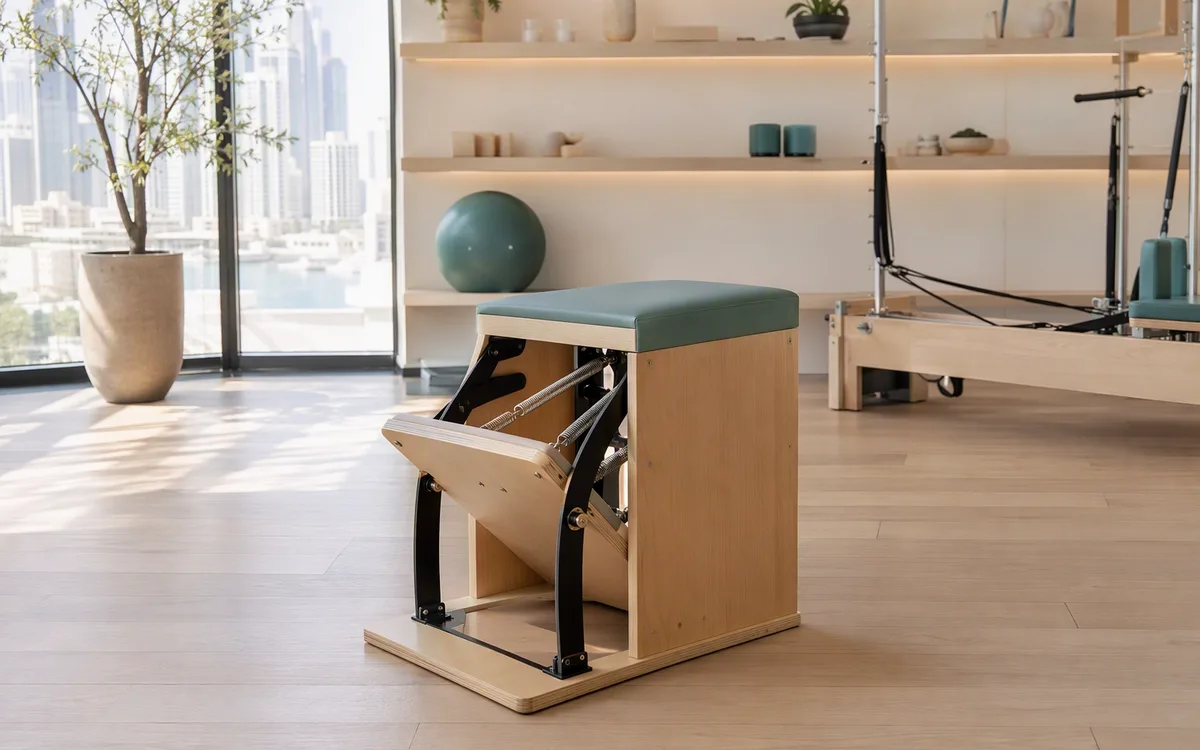
The Wunda Chair pedal exercise involves pressing and releasing a spring-loaded pedal with your feet while seated or standing. You maintain an upright posture as you work the pedal through its range, focusing on smooth transitions. This builds strength in the legs, glutes and core by demanding control against variable resistance.
In classical Pilates, pedal work follows a sequence that progresses from basic presses to more dynamic variations. Instructors at Pilates Academy Arjan teach the full order, linking it to other apparatus work. For example, after mastering pedal cues, you might transition to Wunda Chair step progression for added power.
Basic setup
Sit tall on the chair with your hands on the handles or legs of the frame. Place both feet on the pedal, knees aligned over ankles. Inhale to prepare, then exhale as you press the pedal down fully before inhaling to return it slowly.
How do you position feet for balanced strength?
Foot placement varies to target even muscle activation. For overall leg strength, position heels wide on the pedal with toes turned slightly in, engaging inner thighs and glutes equally. This wide stance distributes pressure across the foot arches, promoting balance from left to right.
Shift to balls of the feet for calf and ankle stability, keeping heels lifted evenly. Avoid letting one foot dominate; instructors cue micro-adjustments to centre your weight. In small classes, you receive feedback to prevent compensatory patterns that could lead to uneven development.
Combine placements in a series: start wide heels, move to toes apart, then balls only. This sequence, as taught in Arjan sessions, mirrors the full classical order and complements footwork on other apparatus like the Reformer Elephant.
What resistance levels suit different stages?
Begin with lighter springs, typically one or two, to master form before adding resistance. You should feel challenge at the end range of the press but control the return without momentum. Instructors assess your control and adjust accordingly during class.
Beginner cues
Use a single red spring for initial sessions. Press down with even pressure from both legs, pausing at the bottom to stabilise your pelvis. Return takes twice as long as the press to build eccentric strength.
Progressive cues
Advance to two springs once presses feel fluid. Focus on resisting the pedal's upward pull to engage hamstrings fully. This mirrors cues in Wunda Chair push-up progression.
Why focus on cues for even effort?
Cues ensure balanced strength by preventing one side from overworking. Instructors remind you to initiate presses from the centre of the body, using core engagement to stabilise. This anatomical focus helps you sense asymmetries early.
Common cues include "press from your sit bones" or "keep shins parallel." Repeat each placement three to five times per side if needed. Over sessions, this builds awareness that carries to daily movement.
In group classes capped at five, you practice without overcrowding. New clients start with three classes for AED 300 including 5% VAT, booked via Glofox.
How does pedal work link to other exercises?
Pedal work prepares you for standing exercises like step progression on the same chair. It also informs foot placement in Reformer series, creating continuity in your practice. For those building a routine, integrate it with weekly Pilates habits suited to areas like JVT.
After pedal series, you might move to arm work on the chair, maintaining the same postural integrity. This full-apparatus approach at Arjan distinguishes it from reformer-only options nearby.
What common errors should you avoid?
Avoid locking knees at the bottom of the press, which halts spinal articulation. Instead, maintain soft knees to allow fluid movement. Another error is uneven foot pressure; cue yourself to feel both big toes grounded equally.
Grip and posture fixes
Do not grip handles tightly; rest palms lightly to free the upper body. Sit bones rooted, shoulders away from ears. If the pedal snaps up, lighten resistance and slow the return.
Practice these in mat previews like Mat class sequence for beginners to build readiness for apparatus.
How to progress in group classes?
Track your sessions via Glofox rebooking. After initial trial, aim for twice weekly to reinforce cues. Instructors progress you by adding pulses at the bottom or single-leg variations once bilateral work feels even.
Combine with Cadillac or Reformer for comprehensive strength. Small groups allow personalised progression without rushing.
Common questions
How often should you do chair pedal work?
Incorporate it two to three times weekly in your Arjan classes. Allow rest days for recovery. Track progress over four to six weeks to note improvements in balance and control.
Can beginners handle the resistance?
Yes, start light and build under guidance. Instructors adjust springs for your level. Focus on form over force in early sessions.
What if one leg feels weaker?
Perform extra reps on the weaker side after bilateral sets. Instructors provide cues to activate lagging muscles. Consistency evens it out over time.
Does it help with daily activities?
Stronger legs from precise pedal work support walking and stairs. Balanced cues improve posture in routine tasks. Practice carries over naturally.
How to book chair-inclusive classes?
Use Glofox for Arjan schedules. New clients try three classes for AED 300 including VAT. Select sessions within opening hours.